Breach the Bastion Spire Deck Builder Run Tools & Checklists
Practical planners for pathing, Map Ink, and co-op roles—no executor required.
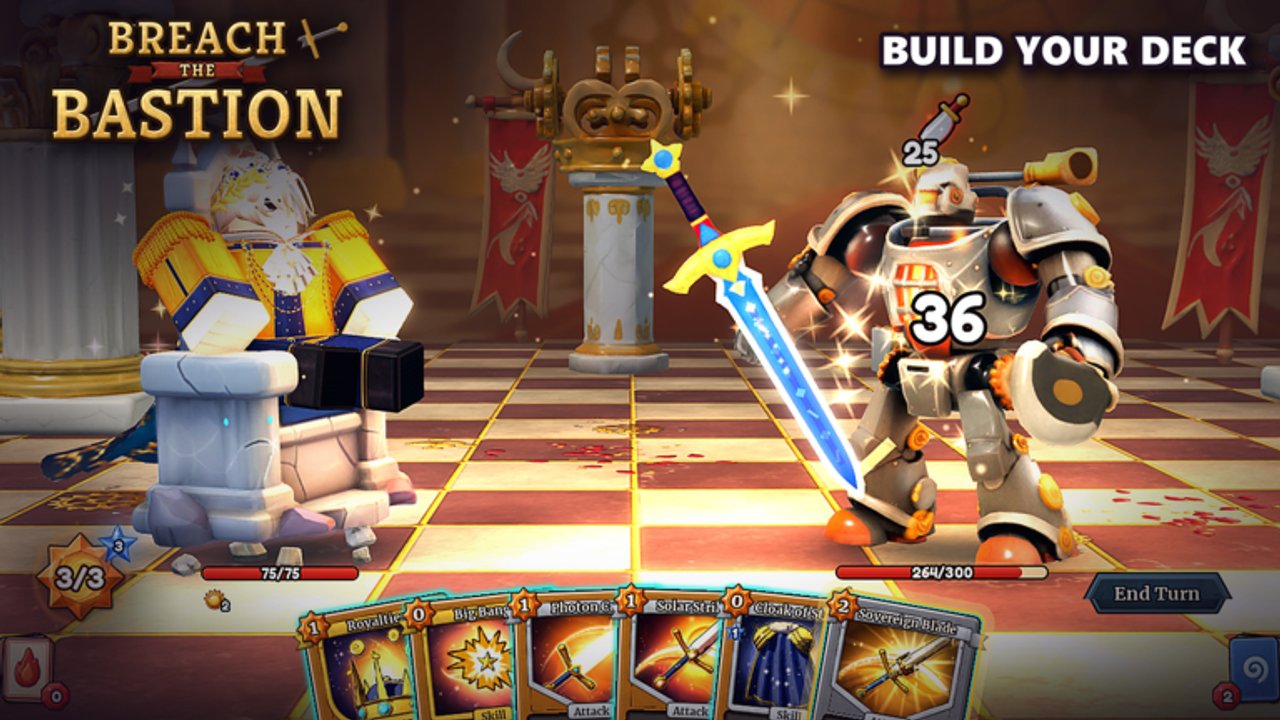
Not every “tool” for Breach the Bastion needs an injected script. This hub collects player-facing planners: how to think about the branching map, when Map Ink rewards matter, and how to assign co-op jobs before the first node. Use these pages when you want cleaner climbs without touching automation.
Path planner mindset
Breach the Bastion inherits the Spire-like tension between elites, safe hallways, and rush lines. Before you click a node, ask:
- Deck maturity — Do you already have a finisher, or do you still need relics from elites?
- HP budget — Can you survive two elites without a rest, or should you snake toward a campfire?
- Act goal — Are you scouting Brewer brew pieces, or forcing a boss with a greed pile?
- Co-op variance — Will a teammate force an elite you are not ready for?
Write the answer in one sentence in party chat (“safe until merchant, then one elite”) and stick to it unless a god-tier relic reward appears. Deep route theory lives on Path Planning; the printable-style flow lives on Run Checklist.
Map Ink usage tips
Map Ink arrives from codes such as 1KCCU (see Codes Hub and the dedicated Map Ink Guide). Treat it as a map-oriented reward you claim before a focused practice night:
- Redeem early so you are not fumbling with the Codes tab mid-act.
- Use fresh Map Ink sessions to experiment with unfamiliar path biases—try a full safe clear, then a full elites clear, and note which relics actually paid rent.
- In co-op, confirm everyone redeemed; uneven rewards make people path differently.
- Do not confuse Map Ink with a combat card—your damage still comes from the deck you draft (Deck Building Guide).
Co-op role sheet (4 players max)
Solo is fine, but the mode shines with up to three friends. Assign light roles even if classes overlap:
| Role | Job | Callouts |
|---|---|---|
| Path lead | Picks nodes per agreed risk | “Elite left” / “Rest first” |
| Burst | Times big damage turns | “Bursting on three” |
| Guard | Blocks, Stand Guard-style stabilizers | “I have block this turn” |
| Economy | Watches gold, merchant removes | “Saving for remove” |
Rotate roles between runs so one player is not stuck path-leading forever. Deeper etiquette sits in the co-op guide linked from the checklist page.
What belongs in this Tools category
- Pre-run and mid-act checklists
- Path risk matrices and potion policies
- Co-op role sheets and ping macros
- Notes on using code rewards efficiently
What does not belong here: malware, account crackers, or unpaid executor ads. For automation feature lists, use the Scripts Hub instead—and keep those experiments on alts.
Pair tools with knowledge pages
Tools sharpen execution; guides teach the why:
- Deck Building Guide — when to thin versus greed
- Tier List Hub — which classes deserve the path lead tonight
- Getting Started — HUD and first-floor basics
- Updates Hub — whether a patch just changed elite math
Recommended workflow
- Open Run Checklist and clear every pre-run box.
- Redeem live codes.
- Agree path risk and roles in one message.
- After the boss, spend two minutes on a post-run note: which tool failed—path, potions, or draft?
- Adjust tomorrow’s checklist instead of blaming RNG alone.
Related pages
- Run Checklist
- Map Ink Guide
- Path Planning
- Deck Building Guide
- Tier List Hub
- Codes Hub
- Scripts Hub — only if you still want automation after trying human tools
Master the checklist first. Most wiped runs in Breach the Bastion come from skipped rests and unclear party intent—not from missing a secret calculator.
Frequently Asked Questions
Quick answers to the most common questions.
Do I need scripts to use these tools?
No. This hub focuses on checklists, path planning, Map Ink habits, and co-op roles you can run entirely inside the normal Roblox client.
What is the most important pre-run tool?
The Run Checklist—class pick, deck plan, path risk, potion policy, co-op callouts, and a code redeem reminder before floor one.
How should I use Map Ink?
Redeem codes like 1KCCU before a practice session, then use that session to test a deliberate path bias instead of random clicking.
What co-op roles should we assign?
Keep it light: path lead, burst, guard, and economy. Clear callouts matter more than rigid jobs in a four-player lobby.
Where do I go for build theory after the checklist?
Use the deck-building guide and the tier list hub to decide which cards and classes deserve priority on the next climb.