Breach the Bastion Spire Deck Builder Path Planning and Route Bias
Choose safe, elite, or rush routes on purpose—then rest, vote, and bank potions around that plan.
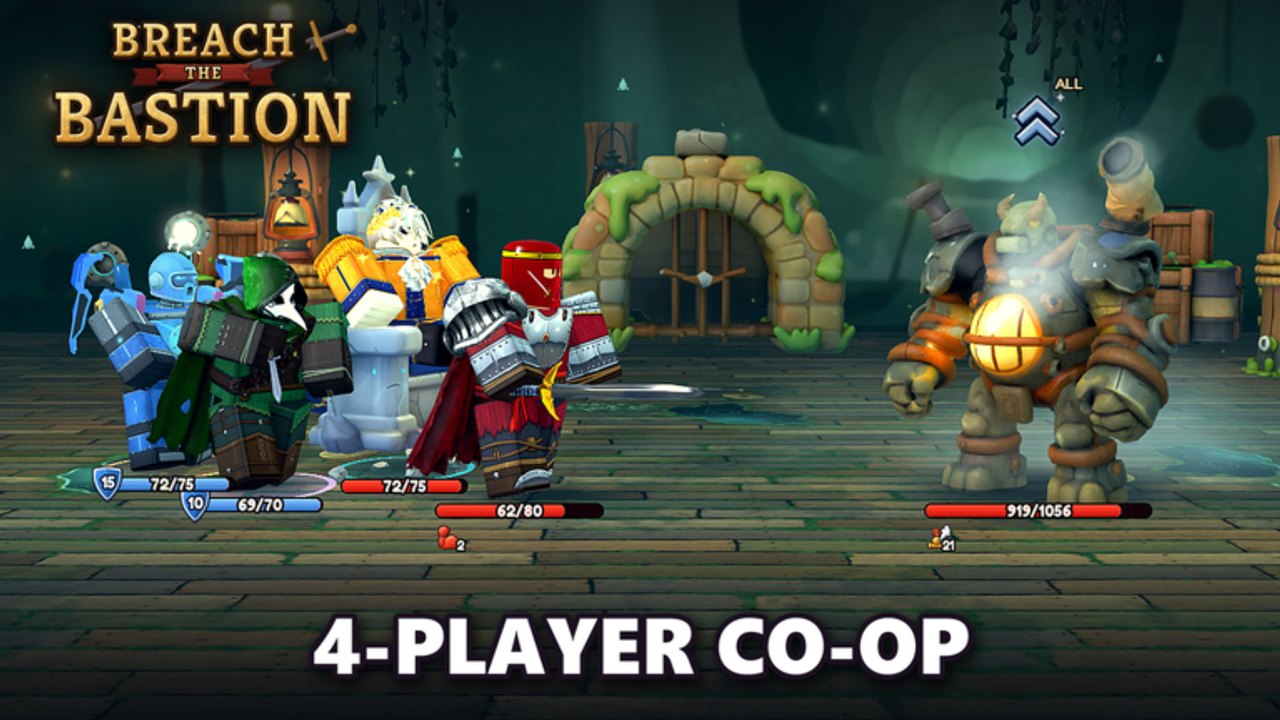
In Breach the Bastion: Spire Deck Builder, the map is a decision engine, not a sightseeing tour. Hallways, events, shops, rests, elites, and the act boss all compete for the same HP budget. This Path Planning guide teaches you to pick a route bias before you click the next node, then stick to it until a mid-act checkpoint forces a rethink. Pair it with the Run Checklist before lobby ready-up and with Beat Elites when a greedy icon appears.
The game is a Roblox roguelike deckbuilder from Cheesy Games Studios OriginalsTM, inspired by Slay the Spire 2 climbs. You play solo or with up to three friends (four players total). Exact node art can shift with patches—always read the in-client tooltip—but the planning habits below stay stable.
Decide before you click
Never path on vibes alone. At the start of each act (and again after every rest or shop), answer four questions out loud or in party chat:
- What is my one-sentence deck plan? (See Deck Building and Getting Started.)
- How many potions do we still hold for the next hard fight?
- Is party HP in panic range after the last hallway?
- Do we need a relic now, or a stabilize node now?
Write the answers once. Then choose a primary bias: Safe, Elites, or Rush. Secondary nodes are fine; switching bias every fork is how runs die.
Redeem Map Ink and other gifts from Codes before floor one so you are not opening menus mid-act. Map Ink from community codes such as 1KCCU belongs in the pre-run ritual, not as a mid-path distraction.
Three route biases
Safe bias
Take when you are learning a class, running a raw starter pile, or sitting on empty potion belts. Prefer hallways that test new cards, question-mark events that offer removals or gold, shops for thinning, and rests before elites. Skip elite icons until you can explain a two-turn survival plan. Safe bias is not cowardice—it is how you reach the act boss with a coherent deck.
Elites bias
Take when draws feel repeatable, block or burst is online, and at least one relevant potion remains. Cap yourself: one elite, then a stabilize hallway or shop, then reconsider. Chaining elite → elite with no rest “for seed” is a classic wipe pattern. Frog Parasite is a community-flagged tough elite for untouched starters—path around it until removals and defense catch up. Full fight timing lives on Beat Elites.
Rush bias
Take when you are deliberately testing a burst window, farming a short practice climb, or racing a known comfortable kit. Rush still needs a rest policy (for example, rest under half HP before the boss gate). In co-op, rush is selfish unless the whole party agreed—do not force three friends into your speedrun when they need shops.
Announce the bias in chat. The Tools hub and Run Checklist both expect this call before the first node.
When elites are worth it vs rest first
Fight the elite when:
- Your deck draws business cards in most hallway fights.
- You can describe how you survive the heavy hit turn.
- Potion insurance exists for the swing you cannot block with cards.
- A rest or shop sits on the far side if the fight goes poorly.
- In co-op, the cover player confirms they can protect the squishiest seat—Co-op.
Rest (or shop for removal) first when:
- HP cannot absorb a single misplay.
- The deck is still clogged with dead starter strikes or defends.
- The potion belt is empty after greedy hallways.
- The next icon is a known brutal elite (Frog Parasite for many early decks).
- Brewer or another setup class still needs one more brew/cauldron piece before the spike—Brewer Class.
Resting is not “wasting a node.” A live party with a thinner deck outscales a dead party with an unearned relic. If you just won an elite and everyone is one hit from death, force a stabilize node even if another elite winks nearby.
Co-op path voting
Four-player climbs share path risk: one bad elite click taxes everyone. Use a lightweight vote protocol:
- Name a path lead before ready-up (Run Checklist step).
- Lowest HP player gets veto on greed elites.
- Cover / stabilizer speaks before the breaker pushes damage greed.
- Tie-break: default to the safer node when potions are thin; default to the elite only when the deck plan already asked for a relic.
- After any elite win, re-vote the next fork instead of auto-piloting.
Ping vocabulary helps: “elite”, “rest”, “shop”, “event”, “skip card”. Contested card rewards follow the deck plan, not whoever clicked first. Full role talk stays on the Co-op guide; this page only owns the map vote.
Act pacing and potion banking
Think in acts, not single nodes.
Early act: Hallways and events to test cards. Prefer one shop for a removal before your first elite. Bank potions—do not spend them to shave thirty seconds off a free hallway. Safe bias is the default until the plan sentence is online.
Mid act: Optionally take one elite under green lights, then convert loot into removals, upgrades, or a rest. Re-check bias at every rest/merchant gate. If two checklist gates fail, downgrade to safer nodes.
Late act / boss gate: Arrive with potion slots that answer the boss pattern, not empty belts from hallway FOMO. Rest if HP is panic-range; smith/upgrade when HP is comfortable and a key card needs scaling. Compare relic quality against your archetype using Tier List opinions, then verify tooltips in-run.
Potion banking relative to path:
- Pathing into elites without potions is a deliberate gamble—say so out loud.
- Pathing into rests with full potions and high HP may waste a heal; consider smithing or a shop instead.
- Co-op: announce who burns which potion so you do not double-stack the same buff on a dying elite and arrive empty for the boss.
Watch Updates after patches—node density and class tools can shift which bias is safest that week.
Practical pathing template
A beginner-friendly climb:
- Redeem codes and set bias on the Run Checklist.
- Clear two hallways to evaluate draws.
- Shop or event for a removal if the deck feels clogged.
- Rest if HP cannot eat a misplay.
- Take one elite only if green lights are lit.
- Stabilize, then approach the boss with potions reserved.
Advanced players still use the same skeleton; they simply unlock Elites bias earlier because their thinning and block packages come online faster.
Related pages
Beat Elites · Run Checklist · Getting Started · Deck Building · Co-op · Brewer Class · Codes · Tools · Tier List · Updates · Guides Hub
Click nodes like a strategist: bias first, fork second. The Bastion rewards intentional routes more than lucky elite greed.
Frequently Asked Questions
Quick answers to the most common questions.
What should I decide before clicking the next map node?
Confirm your one-sentence deck plan, potion count, party HP, and whether you need a relic or a stabilize node—then pick Safe, Elites, or Rush bias and stick to it until the next rest or shop.
When is an elite worth taking instead of resting first?
When draws are consistent, you can survive the heavy hit turn, at least one relevant potion remains, and a rest or shop sits nearby if the fight goes poorly. Otherwise rest or thin first.
How should co-op parties vote on paths?
Name a path lead, give the lowest HP player veto on greed elites, let the cover seat speak before damage greed, and default to safer nodes when potions are thin.
How do potions relate to path planning?
Bank potions for elites and bosses. Do not empty the belt on easy hallways. If you path into elites with no potions, treat it as a stated gamble, not an accident.
Where do I track path risk before a run?
Use the Run Checklist to announce Safe / Elites / Rush mode, rest policy, and elite caps before floor one, then deepen fight timing on Beat Elites.